Check storm damage
Roofing and gutters are inspected for limb damage and debris buildup that can cause or worsen leaks.
Edgewater Woods' tree canopy shades homes but also traps moisture and drops limbs during storms. Local pros handle roof leak drying and mold removal — and bill your insurance directly.
Edgewater Woods is a wooded residential neighborhood where mature trees provide shade but also create unique water damage risks, from storm-damaged roofs to shaded, slow-drying exterior walls. Local restoration pros handle both the water intrusion and the mold risk that follows in this kind of tree-covered setting. Call (386) 284-1211.
The mature trees that give Edgewater Woods its name also create real risk during Florida's storm season. Falling limbs can damage roofing, and heavy canopy cover keeps exterior walls and roofs shaded and slower to dry after rain than homes in open, sunny areas.
That slower drying time matters. Homes here can hold moisture in roof and wall assemblies longer than average, which raises the risk of hidden mold growth even after a leak seems to have stopped.
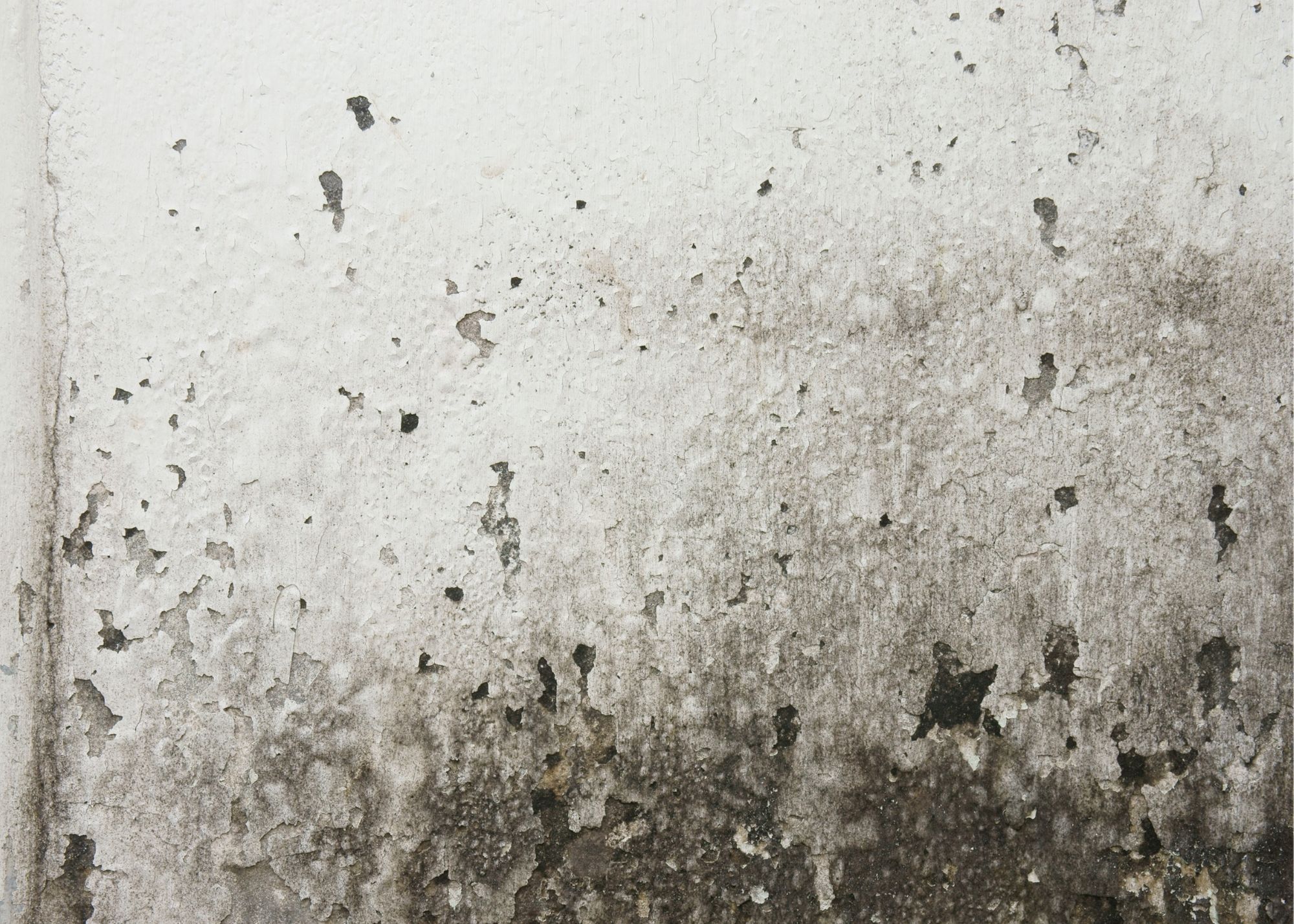
Wooded lots need both fast drying and a close eye on lingering moisture.
Roofing and gutters are inspected for limb damage and debris buildup that can cause or worsen leaks.
Extra attention goes to drying, since shaded exterior walls take longer to release moisture naturally.
Areas prone to slower drying are checked closely for early mold growth before it spreads.
Edgewater Woods sits among Edgewater's more heavily wooded residential streets, west of the main US-1 corridor. The tree canopy that defines the neighborhood also means crews servicing this area pay close attention to debris and limb damage on roofs after any significant storm.
Call now and talk to a real Edgewater restoration pro. Crews who understand tree-covered lots respond fast, and we bill your insurance directly — no obligation to move forward.
Call (386) 284-1211 NowLive answer, 24/7 · Edgewater & Southeast Volusia
Roof damage from a fallen limb during a storm is typically covered under a standard homeowners policy as sudden, accidental damage. Mold that develops afterward is more likely to be covered when it is addressed quickly and documented as connected to that storm event, rather than left to develop over time.
Yes. Heavy shade from mature trees slows natural evaporation on roofs and exterior walls, which is why homes in wooded areas often need more attentive drying after water damage than homes in open, sunny lots.
Keeping limbs trimmed back from your roofline reduces both storm damage risk and the amount of shade keeping your roof damp, which can help lower long-term moisture and mold risk.
The combination of shade and Florida humidity does create somewhat higher mold risk here, which is why catching and drying leaks quickly matters even more in this neighborhood.
Check your roof, gutters, and attic for damage or new leaks, and call for an inspection if you notice any stains or soft spots, even if nothing looks obviously broken from the ground.
Local crews typically arrive within about 60 minutes, with extra readiness during storm season when tree damage calls increase across the neighborhood.
We answer live 24/7, connect you with a pro who understands wooded lots, and bill your insurance directly. Do not let shade hide a growing problem.
Call (386) 284-1211