Identify the soot type
Pros test whether the soot is dry and powdery or wet and sticky before choosing a cleaning method.
Soot is acidic and keeps eating into surfaces the longer it sits. Local pros clean walls, ceilings, and belongings before the damage becomes permanent — and bill your insurance directly.
Smoke and soot removal in Edgewater is the fast cleaning of acidic soot residue from walls, ceilings, and belongings before it permanently stains and etches surfaces. Pros identify whether the soot is dry or wet, then use the matching cleaning method, from dry sponges to specialized solvents, to lift it safely. This step usually happens alongside odor treatment. They bill your insurance directly. Call (386) 284-1211.
Most people think fire damage stops once the flames are gone, but soot is acidic and keeps working on surfaces every hour it sits. Metal fixtures tarnish, painted walls stain, and plastic can yellow permanently. In an Edgewater home, that damage can spread well beyond the room where the fire happened, since smoke travels through hallways and HVAC ducts.
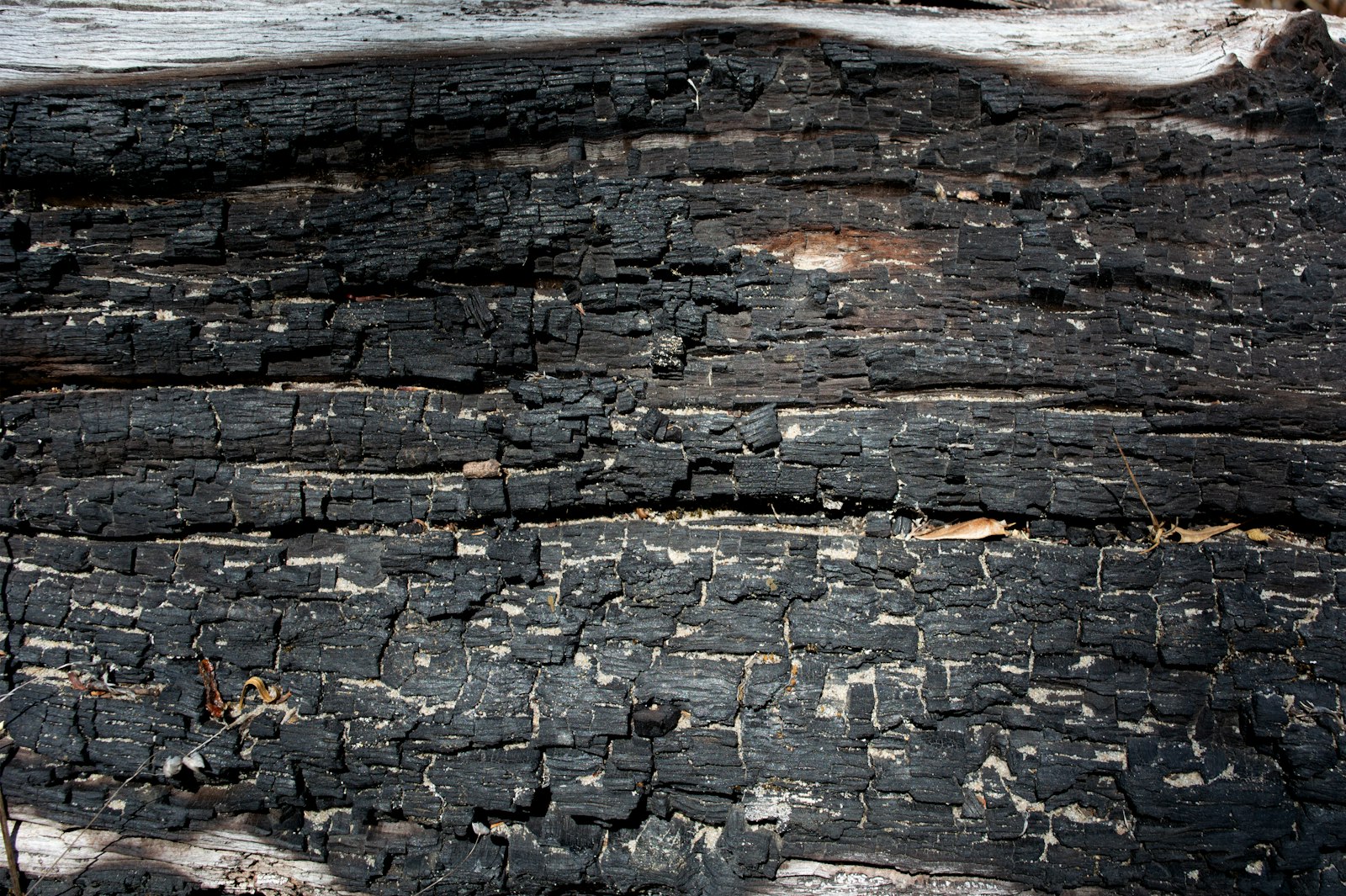
Not all soot cleans the same way. Using the wrong method can smear it in deeper.
Pros test whether the soot is dry and powdery or wet and sticky before choosing a cleaning method.
Dry sponges, specialized solvents, and careful technique lift soot without smearing or spreading it.
Rooms beyond the fire's origin are checked too, since smoke often travels further than people expect.
A live person answers 24/7 and sends a local crew to your Edgewater home.
The crew checks which rooms were affected and identifies the type of soot present.
Surfaces are cleaned with the method matched to the soot type, working room by room.
Belongings affected by soot are cleaned or set aside for specialized treatment.
A final walkthrough confirms every affected surface has been addressed.
Call now and talk to a real Edgewater fire restoration pro. Fast soot cleaning before it sets, and we bill your insurance directly — no obligation to move forward.
Call (386) 284-1211 NowLive answer, 24/7 · Edgewater & Southeast Volusia
Crews cover all of Edgewater and the surrounding communities.
Soot is acidic, and the longer it sits on a surface, the deeper it etches in. Metal can tarnish, plastic can yellow, and painted walls can stain permanently within days. Fast cleaning gives the best chance of saving surfaces instead of replacing them.
Yes. Smoke travels through hallways and HVAC ducts and can leave a thin film of soot on walls, ceilings, and belongings in rooms far from where the fire actually happened. A full inspection checks the whole home, not just the burned area.
Dry soot comes from a fast, hot fire and is powdery, while wet soot comes from a smoldering fire and is sticky and harder to clean. Pros identify the type first, since each needs a different cleaning method to avoid smearing it further.
Soot cleaning removes the visible residue, but the smell usually needs separate deodorizing treatment since odor molecules sink deep into porous materials. Most fire jobs include both steps together for a complete result.
Yes, in most fire damage claims. Since soot removal is a standard part of fire restoration, it is typically documented and billed directly to your insurance carrier along with the rest of the cleanup.
We answer live 24/7, connect you with a pro who cleans it the right way, and bill your insurance directly. Do not let soot sit any longer.
Call (386) 284-1211